Full-Scale Water Damage Services: Protect Your Property From Potential Issues
Extensive water damage services play an crucial role in safeguarding properties from ongoing risks. They include routine checks and upkeep of plumbing and roofing systems. Early identification of potential issues can prevent significant damage. Furthermore, cutting-edge methods like water extraction and mold remediation tackle current issues effectively. However, the most effective strategies also include preventive measures. Understanding these aspects can be vital for homeowners seeking to safeguard their assets and guarantee long-term safety. What should they focus on next?
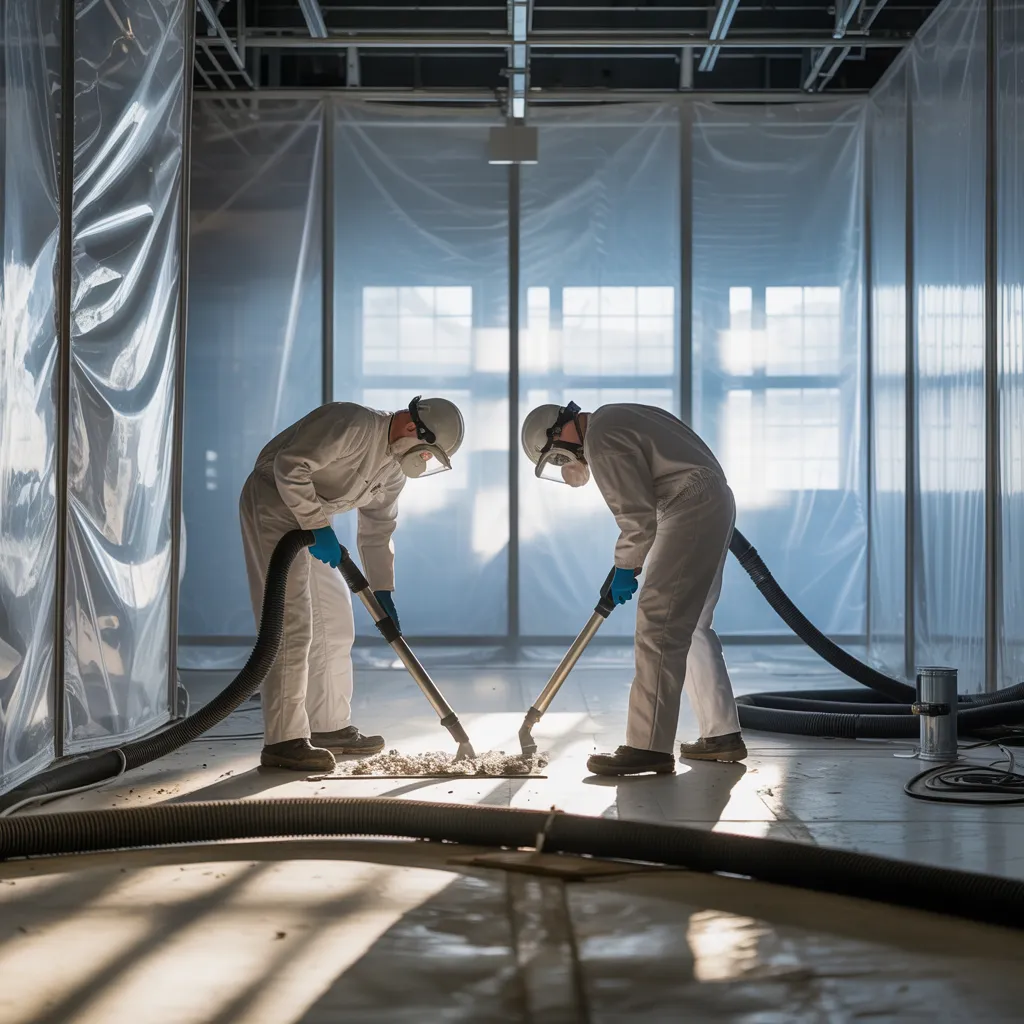
Why You Should Act Fast on Water Damage
Addressing water damage swiftly is imperative. Hesitating on response can lead to acute complications, such as structural damage, mold growth, and ballooning repair costs. Water can soak through walls, flooring, and insulation, offering a prime environment for mold spores to flourish within 24 to 48 hours. This not only risks the property but also poses risks to inhabitants.
Furthermore, the extended the water stays, the greater the harm occurs, possibly undermining the integrity of the building. Immediate action assists mitigate these consequences, maintaining both the property's value and the security of its occupants.
In addition, timely action can accelerate the healing timeline, allowing homeowners to resume normal living quicker. Hiring expert remediation teams promptly can ensure thorough assessments and effective solutions, avoiding further complications in the future. Prioritizing quick action is critical for safeguarding both property and health.

What Triggers Water Damage and How to Detect It In advance?
Water damage frequently derives from various sources, making early discovery essential for prevention. Common causes include applicable information plumbing leaks, roof leaks, and natural disasters such as heavy rain or floods. Aging infrastructure, such as worn-out pipes or compromised roofing materials, can also contribute greatly to water intrusion.
Home owners ought to be vigilant about spotting signs of water deterioration, which may include stains on walls or ceilings, a musty odor, and mold development. Additionally, peeling paint and warped surfaces are clues that moisture may be existing. Regular inspections of plumbing systems and roofing can help prevent issues before they escalate.
Timely detection is essential; tackling potential sources of water damage promptly can minimize expensive repairs and protect the integrity of the property. By comprehending the causes and recognizing the signs, property owners can take preventive steps to shield their homes against water-related issues.
Essential Solutions for Successful Water Damage Restoration
When a home faces water damage, immediate and qualified restoration solutions are necessary to ensure effective recovery. Essential services include water extraction, which entails removing standing water to avoid any further damage. Next, thorough drying and dehumidification processes are critical to remove moisture from structures and materials. Restoration professionals assess the extent of damage and determine necessary repairs, whether it requires replacing flooring, drywall, or insulation.
Additionally, mold remediation is necessary, as mold can form rapidly in wet conditions, causing health risks and further compromising the property. Advanced techniques, such as thermal imaging and moisture mapping, aid identify hidden water sources and stop recurrence. Finally, deodorization and sanitization services promise that any lingering odors and contaminants are taken care of, bringing the property to a safe and comfortable condition. Together, these crucial services create a detailed approach to effective water damage restoration, safeguarding properties from long-term issues.
Instructions to Reduce Upcoming Water Damage
Effective water damage recovery emphasizes the importance of preventative steps to avert future occurrences. Property owners should regularly inspect their roofs, gutters, and drainage pipes to verify they are free from blockages and operating correctly. This stops water accumulation that can cause leaks and building deterioration. Furthermore, preserving plumbing systems by inspecting for water loss and confirming proper drainage can greatly reduce the risk of water damage.
Installing sump pumps in basements and choosing moisture-resistant materials during renovations can also offer an extra layer of safety. Moreover, homeowners should consider outdoor changes, such as grading soil away from the foundation, to direct water runoff effectively. Regular maintenance and timely repairs are essential for defending residences against potential water damage, thereby sustaining their structural soundness and appeal. Taking these steps can help create a robust setting that lowers upcoming risks related to water ingress.
Tips for Selecting the Appropriate Water Damage Service Provider
How can homeowners ensure they select the most appropriate water damage service provider? First, they should investigate potential companies thoroughly, verifying certifications, licenses, and insurance. A trustworthy provider should have professional certifications, such as those from the Institute of Inspection, Cleaning and Restoration Certification (IICRC).
Subsequently, examining customer reviews and testimonials can offer perspective on the company's reliability and service quality. Property owners should also ask about the scope of services available, making sure they encompass everything from first evaluation to complete restoration.
Additionally, obtaining several quotes can help in comparing costs and comprehending the scope of services provided. Finally, evaluating the provider's response time is critical; a rapid response can mitigate further harm. By considering these factors, homeowners can make informed decisions, guaranteeing their property receives the best possible care in times of crisis.
Frequently Commonly Posed FAQs
How Much Does Water Damage Restoration Typically Cost?
Water damage repair expenses generally range from $1,000 to $5,000, based upon the severity of the damage, location, and necessary work. Other elements, like labor and supplies, can impact the final cost substantially.
Is Water Damage Restoration Protected by My Insurance?
Insurance for water damage repairs often relies on the policy specifics. Generally, if the damage comes from a covered peril, such as a burst pipe, providers may extend monetary aid for restoration costs.
What Period Should You Expect for Water Damage Remediation?
Water damage repair typically requires one to five days, depending on the extent of the damage, the affected materials, and the required drying process. Postponements can happen if significant repairs or mold treatment are required.
Should I Tackle Water Damage Remediation On My Own?
Managing water restoration work independently is possible, but it usually needs specialized knowledge and equipment. Inadequate cleaning can trigger mold growth and structural issues, making professional support a more secure and better alternative.
What Medical Hazards Result From Water Damage?
Water damage creates several health risks, including mold growth, which can induce respiratory issues, allergies, and infections. Contaminated water may also harbor bacteria and viruses, contributing to gastrointestinal illnesses and other serious health complications.